
Holocaust memory
In Romania, the National Day of Remembrance for the Victims of the Holocaust is commemorated every year on October 9, as established by Government Decision No. 672 of May 5, 2004, and marks the beginning of the deportation of Jews from Romania to Transnistria.
The International Commission for the Study of the Holocaust in Romania, chaired by Elie Wiesel, shed light in 2004 on a chapter of recent history—the history of the Holocaust in Romania—paving the way for coming to terms with the past and promoting remembrance of Holocaust victims.
On October 9, 1941, Jews from Southern Bukovina began to be deported to Transnistria. Only in October 1941, over 35,000 Jews—mostly children, the elderly, and women—from Dorohoi, Suceava, Câmpulung Moldovenesc, Vatra Dornei, Rădăuţi, Gura Humorului, and other nearby towns were escorted to Transnistria. Conceived by the Antonescu regime as a Romanian version of the Final Solution, the deportation to Transnistria entailed extermination through dire living conditions: lack of food, poor sanitation, and the outbreak of epidemics.
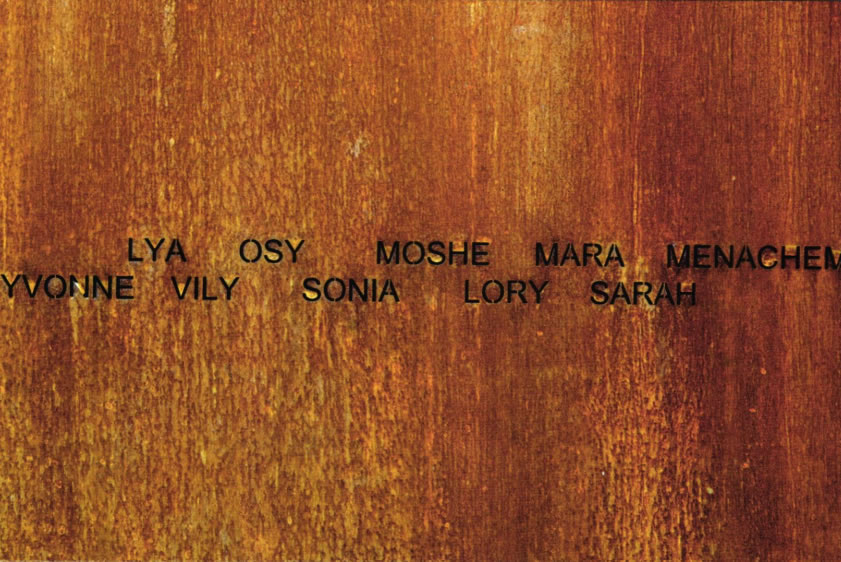
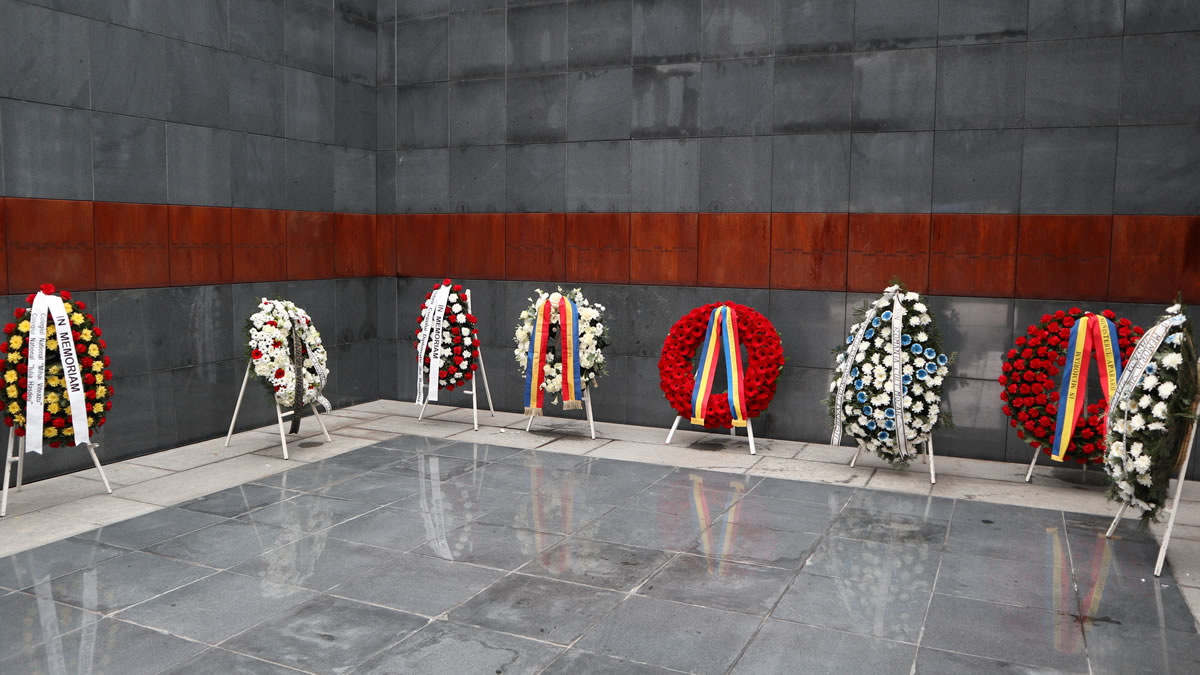
Every year, around October 9, the “Elie Wiesel” National Institute for the Study of the Holocaust in Romania organizes the official commemoration ceremony at the Holocaust Victims’ Memorial in Bucharest, attended by representatives of the Presidential Administration, Parliament, and the Romanian Government, as well as members of Romania’s Jewish and Roma communities, international guests, and representatives of civil society.
October 9 is a day of remembrance for the victims of the Holocaust in Romania, as well as an occasion for reflection and the expression of democratic civic spirit.
Virtual tour at the Holocaust Memorial in Bucharest.
Virtual tour at the Holocaust Memorial in Bucharest.
Video Gallery

Cancelaria Prim-Ministrului

Ministerul Educației și Cercetării

Ministerul Afacerilor Externe

Ministerul Culturii

Departamentul pentru Relații Interetnice

Agenția Națională pentru Romi
Ministerul Afacerilor Interne